Through August, PlayStation owners began receiving copies of the platform's Terms of Service and its End User License Agreement. The mail is the ordinary sort that follows a purchase, and the clause everybody stopped on is the ordinary sort too: software on the platform is licensed to the buyer, not sold to them. It has been true for years and nobody had needed to think about it.
What made people read it this time was the calendar. Weeks earlier the company had said it would stop printing discs for its games in January 2028, and the reaction had not died down: a boycott of the store ran from 23 to 30 August, the finance chief said the plan had not changed, and production was already being wound down. A sentence about licensing arrived in the middle of that, and it read less like paperwork than like an answer.
The complaint underneath is specific rather than philosophical. A disc can be handed to somebody else and handed back. It can be sold on, or bought second-hand for a fraction of the digital price. A licence does none of that, and no amount of goodwill from the shop changes it, because the difference is not about trust: it is about what kind of object you have. Digital sales overtook discs long ago, which is exactly why the last of the physical copies became worth arguing over.
TechSpot, which put the emails and the announcement side by side on 25 August, noted that the rest of the industry is watching rather than agreeing. Microsoft is expected to travel the same road more slowly, and there are rumours of a way to turn owned discs into digital entitlements. Nintendo, whose players are younger, is expected to keep printing.
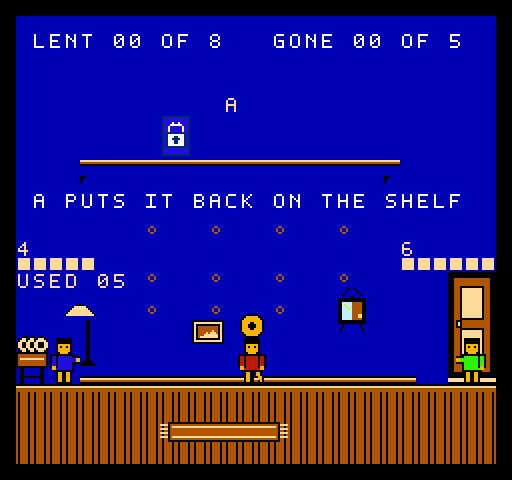
This issue takes the clause at its word and builds a room around it. There is a shelf, two doors with somebody waiting at each, and one pair of hands. The copies that can go out and come back are the ones you own; the ones that arrived from a shop stay where they are put, and the only thing they will ever do is play for you.